Emergency flood carpet cleaning in Pimlico: fast response
Posted on 22/05/2026
If your carpet has been hit by a burst pipe, a washing machine leak, heavy rain, or a sudden spill that turned into standing water, you do not have time to overthink it. Emergency flood carpet cleaning in Pimlico: fast response is about acting quickly enough to limit staining, reduce damp-related odours, and protect the backing, underlay, and subfloor before the damage spreads. In a London flat or townhouse, that window can close surprisingly fast.
Truth be told, a soaked carpet can look "manageable" for the first hour and then go downhill quietly. The fibres hold moisture, the smell settles in, and before long you are dealing with something far more complicated than a wet patch. This guide walks through what emergency flood carpet cleaning involves, what to do first, how the process works, and when it makes sense to bring in a specialist. If you live locally, it also helps to know the wider service picture through the services overview, or by reading about carpet cleaners in Pimlico for a broader sense of what professional help can cover.
Why Emergency flood carpet cleaning in Pimlico: fast response Matters
Water damage is not just a cleaning issue. It is a timing issue. The faster the response, the better the chance of saving the carpet, the underlay, and sometimes the floor beneath. In Pimlico, where many homes and offices have fitted carpets, hall runners, or larger living room installations, water can spread through a room in a way that is easy to underestimate.
That matters because soaked carpet fibres create the perfect conditions for lingering smells, bacteria growth, and visible marks that become harder to remove later. You may also get wicking, which is the frustrating bit where hidden dirt and moisture travel back up the fibres after the surface seems dry. Not fun. If you are in a managed property, or you are preparing a tenancy handover, the clock really does matter. For landlords, tenants, and agents, a prompt clean can mean the difference between a recoverable incident and a much bigger claim conversation.
Pimlico also has its own practical realities. Flats with compact layouts, older buildings with awkward access, and busy residential streets can all make delays more costly. A quick response reduces disruption. It also gives the property a better chance of drying evenly, which is often where the real battle is won.
How Emergency flood carpet cleaning in Pimlico: fast response Works
A proper emergency carpet flood response usually follows a clear sequence. It is not glamorous, but it is methodical, and that is exactly what you want when the room smells damp and you are wondering whether the sofa needs moving again.
First comes assessment. A trained cleaner will look at the source of the water, the size of the affected area, how long the carpet has been wet, and whether contamination is likely. Clean water from a supply line is handled differently from grey water, which may contain dirt or residue from appliances. If the water has come from a drain, toilet overflow, or sewage-related source, the response needs much stricter caution and may fall outside routine carpet cleaning altogether.
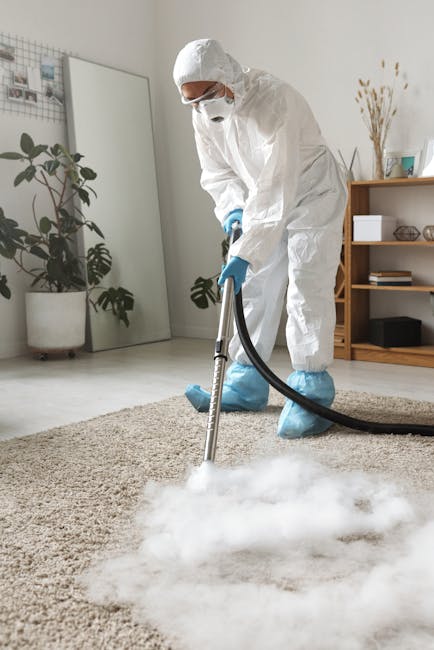
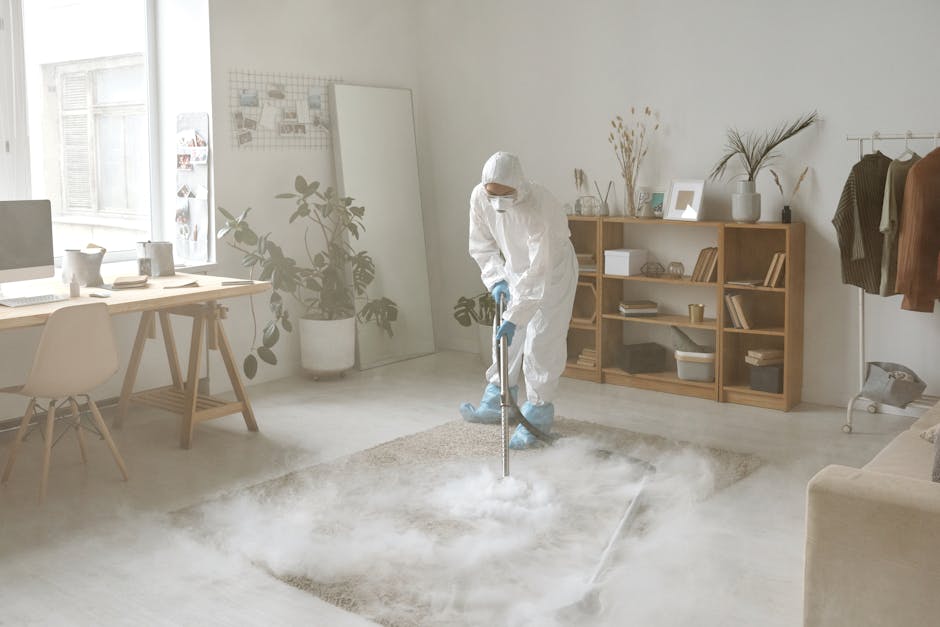
Next comes extraction. Standing water is removed using wet vacuums or similar specialist equipment. After that, the carpet is treated according to its fibre type and the nature of the flood. Synthetic fibres often tolerate more aggressive moisture removal than delicate natural fibres. The cleaner may use antimicrobial treatment, deodorising, or targeted shampooing if staining is present. Drying then becomes the priority, often with air movers and dehumidification support where needed.
For a fuller picture of the company's approach to quality and trust, it can help to review the insurance and safety information and the health and safety policy. That may sound like admin, but in a wet-carpet situation, it is reassuring to know the practical side is properly thought through.
Key Benefits and Practical Advantages
The obvious benefit is saving the carpet. But a fast response goes beyond that. A good emergency service can reduce the risk of permanent staining, help prevent odours from settling into the pile, and minimise the chance of mould developing in hidden layers. That is the bit people often miss, to be fair. The surface may look okay while moisture sits quietly underneath, doing its own little damage.
Another advantage is cost control. The quicker the carpet is cleaned and dried, the less likely you are to need replacement or major remediation. In some cases, prompt intervention can also reduce the knock-on effects on skirting boards, furniture, or adjoining rooms. That is especially relevant in smaller Pimlico properties where rooms sit close together and airflow is not always ideal.
There is also the emotional side. Floods are disruptive. They make a home feel less like home for a while. Having a clear process and a fast team can reduce the stress of that whole mess. And yes, it is a mess. A proper one.
- Less chance of permanent water marks
- Lower risk of damp odour becoming embedded
- Reduced likelihood of mould in carpet backing or underlay
- Better chance of preserving the original carpet colour and texture
- Faster return to normal use for families, tenants, or staff
Who This Is For and When It Makes Sense
This kind of service is useful for homeowners, tenants, landlords, letting agents, property managers, and businesses that need a room back in working order quickly. A burst pipe in a basement flat is the classic scenario, but it is not the only one. A badly leaking appliance, a radiator issue, a roof leak tracked down through a stairwell, or a sudden localised flood after heavy rainfall can all leave carpets saturated.
If you run a business, the urgency is different but just as real. Offices, studios, and reception areas cannot always wait for a long drying cycle. A soaked carpet in a customer-facing space can affect presentation, comfort, and safety. If your workplace is in the area, the broader office cleaning support in Pimlico may also be relevant once the immediate flood issue is under control.
For tenants moving out, flood damage can complicate end-of-tenancy expectations. For that reason, it is often worth checking broader cleaning support such as end of tenancy cleaning in Pimlico if the property needs to be handed back in good shape after the emergency is dealt with.
Ask yourself: is this a surface spill, or has the carpet actually taken on water through the backing? If it is the second one, a fast professional response makes a lot more sense.
Step-by-Step Guidance
If you are dealing with a flood-damaged carpet right now, here is the practical sequence that usually gives the best chance of a decent result.
- Stop the source if you safely can. Turn off water where appropriate, or contact the building manager if the source is shared infrastructure.
- Protect electrics and valuables. Move plugs, extension leads, low furniture, and loose items away from the wet area.
- Blot, do not scrub. If the spill is still fresh and the water is clean, blot the area with absorbent towels. Scrubbing tends to push moisture deeper and can distort fibres.
- Limit foot traffic. Walking over wet carpet spreads contamination and can flatten the pile.
- Improve airflow carefully. Open windows if weather and security allow, but do not rely on this alone.
- Contact a specialist quickly. Fast response matters most within the first few hours.
- Document the damage if needed. Take photos for insurance or landlord records before the clean starts, provided it is safe to do so.
- Allow proper drying time. Even if the surface feels dry, the underlay may still be holding moisture.
A small but useful note: if furniture legs have sat in wet carpet, they can leave rust or dye transfer marks. That is one of those little annoyances that sneaks up later, usually when you think the worst is over.
Expert Tips for Better Results
One of the best things you can do is avoid trying to "fix" the carpet with too much DIY enthusiasm. More water is not the answer. Nor is a random household cleaner that smells strong enough to clear a tunnel. In flood situations, the goal is controlled moisture removal, not a heroic scrubbing session.
Use these practical tips instead:
- Act quickly, but stay calm. Panic burns time. A few steady steps help more than frantic movement.
- Separate clean water from dirty water. If the source is unclear, treat it cautiously.
- Lift nearby furniture. Even a few centimetres makes a difference to airflow.
- Keep a record of what happened. Source, time discovered, affected rooms, and any actions taken.
- Use fans only as part of a drying plan. They help air movement, but they do not replace extraction.
- Ask about fibre-sensitive methods. Wool, blended, and loop-pile carpets need more careful handling than many people realise.
Experienced cleaners also know when not to over-clean. Sometimes the smartest move is to remove contamination first, dry thoroughly, and only then decide whether deeper cleaning is actually needed. That judgement call matters more than people think.
Common Mistakes to Avoid
The biggest mistake is delay. The second biggest is assuming the carpet is fine because it no longer feels wet on top. Carpets are sneaky like that. Moisture sits lower down, and the problems show up later as odour, staining, or mildew.
Other common missteps include:
- Using too much detergent. It can leave residue and attract dirt once the carpet dries.
- Scrubbing a wet stain. This can spread the mark and damage the pile.
- Ignoring the underlay. If the underlay stays damp, the issue often returns.
- Replacing only the visible layer. Sometimes that is not enough if the backing has been affected.
- Waiting for natural drying alone. In a damp corner room or poorly ventilated flat, that can take far too long.
Another one: forgetting that the room itself may need a wider clean after the flood. Skirting boards, upholstery, and nearby soft furnishings can all pick up moisture or odour. If that sounds familiar, it may be sensible to look at related services like upholstery cleaning in Pimlico or even house cleaning support in Pimlico once the immediate emergency is handled.
Tools, Resources and Recommendations
Emergency flood carpet cleaning usually depends on a mix of extraction and drying equipment. You do not need to buy these yourself, obviously, but it helps to know what a proper setup tends to involve.
| Tool or method | What it does | Why it matters in a flood |
|---|---|---|
| Wet vacuum extraction | Removes standing water and moisture from the pile | Speeds up recovery and limits water migration |
| Air movers | Pushes air across the carpet surface | Improves evaporation after extraction |
| Dehumidifier | Reduces excess moisture in the room | Helps dry both carpet and indoor air |
| Fibre-safe cleaning solution | Treats residue or staining without harsh damage | Useful when floodwater leaves dirt or odour behind |
| Moisture inspection tools | Checks whether hidden damp remains in backing or underlay | Prevents a false sense of completion |
If you are comparing service options or planning costs, the pricing and quotes page is a sensible place to start. For a sense of who is behind the work and how the business presents itself, the about us page gives useful context without making you trawl through fluff. Nice, frankly.
For local readers looking to understand more about the area and its homes, the articles on Pimlico home and resident views and the character of Pimlico can be a helpful read too. Different angle, same borough.
Law, Compliance, Standards, or Best Practice
Flood carpet cleaning itself is not usually a heavily regulated activity in the same way as clinical or hazardous-waste work, but best practice still matters. In the UK, any cleaning service working in occupied properties should think carefully about safety, access, electrical risks, and contamination levels. If floodwater may be contaminated, the work should be approached with greater caution, and in some cases the right answer is remediation rather than standard carpet cleaning.
For domestic and commercial customers, the practical question is simple: is the cleaning method appropriate to the type of water, the carpet material, and the property conditions? If the answer is uncertain, a cautious inspection comes first. That is better than guessing. Always.
There is also a sensible property-management angle. Tenants, landlords, and agents should document the incident, act reasonably, and keep communication clear. If insurance is involved, records and photographs help. If there is a dispute over damage or responsibility, that paper trail can matter more than anyone expects at the time.
From a provider standpoint, strong practice usually includes:
- clear communication about the likely outcome
- transparent limits where contamination is suspected
- safe handling of equipment and wet surfaces
- appropriate drying advice after the clean
- respect for privacy, access, and building rules
If you want to review the small print and service expectations in advance, it is worth checking the terms and conditions and the payment and security page. It sounds dull, yes, but it helps avoid surprises later.
Options, Methods, and Comparison Table
Not every flood situation calls for the same treatment. The right method depends on how much water entered, how dirty it is, and how quickly you need the room usable again. Here is a simple comparison.
| Method | Best for | Pros | Limitations |
|---|---|---|---|
| Blotting and air drying | Very small clean-water spills | Quick, low-cost, simple | Not enough for real flooding or hidden damp |
| Professional extraction only | Moderate clean-water flooding | Fast moisture removal, less fibre stress | May still need deodorising or sanitising |
| Extraction plus deep clean | Floods with residue, odour, or visible staining | Better finish, better hygiene result | Takes longer and may require careful drying |
| Drying and remediation approach | Heavier water damage or contamination concerns | More thorough and safer for serious incidents | May be beyond standard carpet cleaning |
In practice, the most reliable route is not always the most dramatic one. Sometimes a measured extraction and drying plan wins. Other times, especially with hidden damp or foul-smelling water, a more cautious remediation-style response is the sensible call.
Case Study or Real-World Example
Picture a typical Pimlico flat on a Monday morning. A washing machine hose loosens overnight, and by 7:30 the kitchen-to-hall carpet edge is wet, with moisture spreading toward the living room. The surface looks patchy rather than disastrous, so the instinct is to mop the obvious bit and get on with the day. Fair enough. But the underlay has already started holding water.
A fast-response cleaner would first isolate the source, extract the visible moisture, then check how far the damp had travelled. The affected section might need lifting at the edge, depending on the carpet fit, and air movement would be set up to dry the pile and backing. A mild deodorising treatment could be applied if the water had carried appliance residue. The main point is that the carpet is treated before the moisture becomes a hidden problem.
That sort of response is especially useful in shared buildings, where lingering damp can affect neighbours below or nearby. In a place like Pimlico, with a mix of period homes, conversions, and managed lets, getting ahead of the damage is not just neat housekeeping. It is good property care.
For local context and neighbourhood relevance, readers often also browse carpet cleaning near Tate Britain and carpet cleaning on Churchill Gardens Estate, since both give a better feel for how service needs vary across the area.
Practical Checklist
Use this checklist if you are dealing with a flood-damaged carpet right now. Keep it simple. One step at a time.
- Identify the source of the water and stop it if safe
- Switch off nearby electrics if there is any risk
- Move furniture and valuables away from the wet area
- Blot fresh clean water with towels if needed
- Do not scrub or oversaturate the carpet
- Restrict foot traffic over the affected area
- Take photos for records if appropriate
- Arrange a fast inspection or emergency cleaning visit
- Ask about drying time and aftercare
- Check whether nearby soft furnishings or adjoining rooms need attention too
Expert summary: with flood-damaged carpets, speed matters, but smart speed matters more. Extract first, assess the water type, dry thoroughly, and do not assume the job is finished just because the surface feels okay.
If you need a wider service conversation after the emergency is under control, it can be useful to look at domestic cleaning in Pimlico or the broader blog archive for related local advice.
Get a free quote today and see how much you can save.
Conclusion
Emergency flood carpet cleaning in Pimlico: fast response is really about protecting what can still be saved. A wet carpet is stressful, yes, but the right early action can keep a manageable problem from turning into a replacement job. That means quick extraction, sensible drying, careful handling of the fibres, and a realistic view of how far the moisture has travelled.
If you are dealing with a flood right now, the best next step is not to wait and see. Get the source controlled, document the damage if needed, and arrange help quickly. It is usually the quiet, practical response that saves the day in the end. And once the room is dry again, you do get that lovely moment when the carpet finally feels normal underfoot. Small relief, but real.