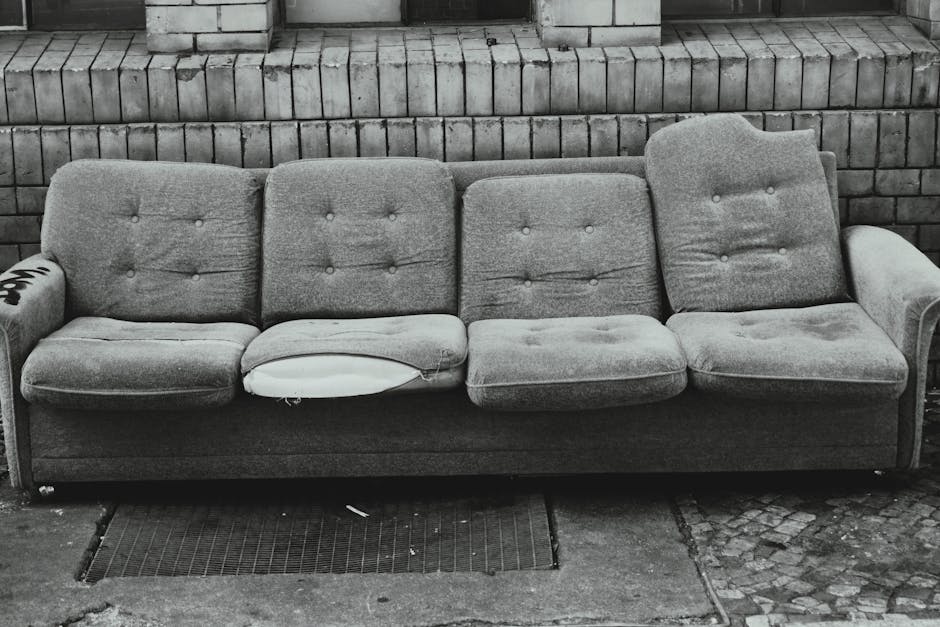
Westminster Council rules for upholstery waste in Pimlico: a practical local guide
If you are dealing with an old sofa, armchair, mattress topper, dining chair, or any bulky fabric-covered item, the Westminster Council rules for upholstery waste in Pimlico can feel oddly specific at first. But they matter. A lot. One wrong move and you can end up with a blocked hallway, a missed collection, or waste left on the street where it should not be. In a busy part of central London like Pimlico, where access can be tight and schedules are often squeezed, getting it right saves time, hassle, and frankly a bit of embarrassment too.
This guide explains what counts as upholstery waste, how collection and disposal usually work in Westminster, what to check before you put anything out, and how to avoid the most common mistakes. If you want the practical version rather than the bureaucratic one, you are in the right place.
Table of Contents
- Why Westminster Council rules for upholstery waste in Pimlico Matters
- How Westminster Council rules for upholstery waste in Pimlico Works
- Key Benefits and Practical Advantages
- Who This Is For and When It Makes Sense
- Step-by-Step Guidance
- Expert Tips for Better Results
- Common Mistakes to Avoid
- Tools, Resources and Recommendations
- Law, Compliance, Standards, or Best Practice
- Options, Methods, or Comparison Table
- Case Study or Real-World Example
- Practical Checklist
- Conclusion
- Frequently Asked Questions
Why Westminster Council rules for upholstery waste in Pimlico Matters
Upholstery waste is not just "big rubbish." It is a mix of materials: fabric, foam, timber, springs, staples, sometimes fire-retardant treatments, and often a lot of hidden weight. That matters because disposal rules are shaped by both size and material type. A battered two-seater sofa is managed differently from a bag of soft furnishings, and both are different again from general household rubbish.
In Pimlico, the practical issue is space. Flats are often accessed through shared hallways, narrow stairwells, and on-street collection points that are busy from morning to evening. If waste is left out too early, too late, or in the wrong form, it can become a nuisance fast. And let's face it, nobody wants an old armchair becoming the temporary landmark outside the building.
There is also a wider environmental side. Upholstered items can sometimes be reused, repaired, stripped for parts, or sent for recycling where facilities allow. That is better than sending everything straight to landfill, and it usually fits more closely with modern council expectations and responsible waste management practice.
Key takeaway: the safest approach is to treat upholstery waste as a bulky, potentially mixed-material item that needs checking before disposal, not as ordinary household waste.
How Westminster Council rules for upholstery waste in Pimlico Works
The exact procedure can vary depending on the item, its condition, and whether you are using a council collection, a private waste service, or a reuse route. Still, the basic logic is usually the same.
First, identify what the item is. A sofa, sofa bed, armchair, footstool, padded dining chair, headboard, or ottoman may all fall under upholstery waste in everyday conversation, but they are not always treated identically for disposal. Second, check whether the item contains other components that change how it should be handled, such as electrical parts, gas lifts, or fixed wooden frames. Third, decide whether the item can be reused, donated, dismantled, or needs to be removed as waste.
In many real situations, the deciding factor is access. If the item can be moved safely to the kerbside or collection point without blocking communal areas, that is often simpler. If not, a service that offers inside collection may make more sense. In Westminster, as in most dense London boroughs, the arrangement should be tidy, timed, and clear. No one wants a sofa half-stuck on the landing while a neighbour tries to squeeze past with shopping bags.
If you are using a cleaning or clearance service as part of a bigger property reset, it is worth coordinating the item removal with other jobs. For example, after a tenancy change or deep refresh, upholstery disposal often works best alongside end of tenancy cleaning or a broader deep cleaning visit, so the property feels finished rather than half-done.
What counts as upholstery waste?
- Sofas and sofa beds
- Armchairs and recliners
- Footstools and ottomans with padded fabric covers
- Fabric dining chairs or occasional chairs
- Padded headboards
- Some upholstered office seating, depending on setting and collection route
Small textile items, such as loose cushions or removable covers, may be handled differently from whole furniture pieces. That distinction matters more than people think.
What usually changes the disposal route?
- Size and weight
- Whether it has metal springs or timber frames
- Any electrical, mechanical, or hydraulic components
- The item's condition and whether it could be reused
- Whether it can be safely moved from the property
Key Benefits and Practical Advantages
Following the right local approach is not just about avoiding problems. It can make life easier in very real ways.
Cleaner communal spaces. A properly arranged removal keeps hallways, front steps, and shared entrances clear. That matters in older Pimlico buildings, where traffic flow is already a bit of a dance.
Lower risk of complaints. When upholstery waste is left incorrectly, neighbours notice. Building managers notice too. So do enforcement teams. Clear handling helps you avoid awkward conversations later.
Better chance of reuse or recycling. If an item is still usable, separating it from general rubbish may allow it to be passed on, repurposed, or processed more responsibly.
Less physical strain. Carrying bulky fabric furniture down stairs is tiring work. A good plan reduces the risk of damage to walls, doors, and backs. Yes, backs. The item is not the only thing that can suffer.
Less time wasted. Most people do not want to spend a Saturday wrestling a sofa through a narrow landing. A clear process prevents the classic "we'll deal with it later" trap, which usually means dealing with it at 9 p.m. instead.
For households, landlords, and small businesses alike, good disposal practice is one of those boring jobs that quietly saves the day.
Who This Is For and When It Makes Sense
This topic is relevant if you are any of the following:
- A homeowner replacing old soft furnishings
- A tenant moving out and clearing bulky items
- A landlord preparing a property for new occupants
- A letting agent managing a turnaround in Pimlico
- A business owner removing worn office seating or reception furniture
- A property manager dealing with abandoned or damaged upholstered items
It also makes sense if the item is not truly "waste" yet. Maybe it still has life left in it, but not in your space. That is a common middle ground. In that case, a reuse route may be the better first check before disposal.
If you are dealing with mixed household items as part of a larger clear-out, services such as house clearance can sometimes be the easier overall answer. On the other hand, if the upholstery item is part of a broader refresh of the property, pairing it with sofa cleaning or upholstery cleaning may help extend the item's life before disposal becomes necessary.
Truth be told, a lot of people wait until the item is already in the way. That is normal. But the earlier you plan, the easier it is to avoid last-minute friction.
Step-by-Step Guidance
Here is a simple, sensible way to handle upholstery waste in Pimlico without making a meal of it.
- Identify the item clearly. Is it a sofa, chair, bed base, headboard, or something else? Check for hidden components like wheels, batteries, motors, or detachable storage pieces.
- Assess whether it can be reused. If the frame is sound and the fabric is in decent shape, consider donation, resale, or reuse before disposal.
- Measure access. Measure the item and the route out of the property. Doors, lifts, stairs, corners, and railings can all create problems.
- Check collection rules. Confirm what the council or your chosen disposal route accepts, and whether the item needs to be prepared in a certain way.
- Prepare the item. Remove loose cushions, detachable legs, and any personal items hidden in pockets or folds. You would be surprised how often a remote control turns up in a sofa months later.
- Arrange the right removal method. Choose between council collection, a private clearance service, reuse, or self-delivery to an appropriate facility if available and suitable.
- Place it out correctly. If it is being collected, make sure it is set out in the approved location and time window. Keep pathways clear.
- Confirm completion. After collection, check the space for stray staples, foam bits, or small debris.
If the item has stains, odour, or visible wear but is still structurally okay, it may be worth exploring cleaning first. For example, a smoky flat or a pet-heavy home often benefits from pet stain odour removal or targeted fabric care before the final call is made.
A quick decision shortcut
If it is reusable, reuse it. If not, dispose of it in a way that matches the item's size, condition, and material mix. That simple rule handles a lot of edge cases.
Expert Tips for Better Results
To be fair, most problems with upholstery waste happen because people rush the last 20 percent of the job. That is the awkward bit where the sofa is already near the door, and everyone is a bit tired.
Tip 1: strip the item down where safe. Remove detachable cushions, legs, throws, or covers if the collection route allows it. This makes the piece easier to handle and sometimes easier to recycle or sort.
Tip 2: protect the route out. Use floor coverings or corner protection if you are moving the item through a narrow internal route. In older Pimlico buildings, scuffed paintwork is often the first thing people regret.
Tip 3: do not mix waste streams if you can avoid it. Keep fabric furniture separate from electrical items, metal waste, and general rubbish. A clean split is simpler for everyone.
Tip 4: think about timing. Morning removals tend to be easier in busy residential streets. Later in the day, parking and access can get messy very quickly.
Tip 5: document the condition if you are a landlord or agent. A quick photo before removal can help with inventory records. Nothing fancy, just practical.
Tip 6: ask about insurance and handling. If a removal service is moving large items inside the property, it is reasonable to check how damage and safety are managed. It is not fussy; it is sensible.
If you are also arranging other cleaning or maintenance work, it can be worth bundling the job with wider services such as move out cleaning or one-off cleaning so the property is ready in one go, rather than in bits and pieces.
Common Mistakes to Avoid
These are the mistakes that cause most headaches, and they are all easy to avoid once you know them.
- Leaving items out too early. A sofa on the pavement for hours can create a clutter issue and may not be accepted as intended.
- Assuming all upholstered items are treated the same. A simple chair is not always handled like a sofa bed or recliner.
- Forgetting about access routes. The item may fit the room, but not the stairwell. That is where frustration starts.
- Ignoring mixed materials. Springs, motors, batteries, and wood can all change the disposal route.
- Blocking shared space. In a building with multiple residents, this causes avoidable tension very quickly.
- Skipping reuse checks. Sometimes a nearly decent piece could be donated or passed on instead of thrown away.
- Not confirming the collection window. A missed pickup is annoying when you have already cleared the room.
One more thing: do not underestimate how awkward a damp or recently cleaned item can be to move. A freshly treated fabric chair looks fine, but if it is still drying, it can be heavier, smell odd, and leave marks. Minor detail, big nuisance.
Tools, Resources and Recommendations
You do not need fancy kit, but a few basic tools make the process smoother.
- Measuring tape for doorways, stair turns, and item dimensions
- Gloves to protect hands from staples, springs, and rough timber
- Furniture sliders or blankets for safer movement on hard floors
- Strong tape or cable ties for keeping loose parts together
- Cleaning cloths or vacuum tools for tidying the route after removal
If you are comparing service options, it helps to look at the full picture rather than the first headline price. A cheap pickup that does not include carrying from upstairs can cost you more in time and stress than a slightly more complete service. Our experience is that the smoothest jobs are usually the ones where the access, timing, and item type are all discussed clearly from the start.
For wider home or business care, related services like regular cleaning, domestic cleaning, or commercial cleaning can help keep the property in better shape before bulky items become a bigger problem. That is not a disposal solution by itself, of course, but it helps prevent things from getting out of hand.
Law, Compliance, Standards, or Best Practice
With waste, the safest language is always careful language. Local collection arrangements can change, and the exact handling of upholstery waste may depend on council policy, building rules, and the item itself. So the best approach is to treat the council's current guidance as the primary rule set and to avoid guessing.
From a practical compliance point of view, the main expectations are usually straightforward:
- Do not leave waste in a way that obstructs pavements, entrances, or communal access.
- Separate out items that may need different handling, such as electrical or mechanical components.
- Use an authorised or appropriate disposal route for bulky items.
- Keep shared property clean and safe during removal.
- Follow any building management or tenancy requirements that apply alongside council rules.
If you are a landlord or managing agent, it is wise to think in terms of duty of care. That means not just getting rid of the item, but doing so in a way that protects residents, workers, and the property itself. For households, the same principle still applies, just on a smaller scale.
There is also the environmental side of best practice. If the piece can be reused, repaired, or cleaned effectively, that often comes before disposal in a good decision order. For example, a lightly worn sofa might benefit from curtain cleaning or broader fabric care elsewhere in the home before you decide the furniture itself has had its day. It sounds obvious, but people often write off furniture too quickly.
Options, Methods, or Comparison Table
There is no single "right" method for every case. The best option depends on condition, urgency, and access. Here is a simple comparison.
| Option | Best for | Pros | Watch-outs |
|---|---|---|---|
| Reuse or donation | Items in usable condition | Most sustainable, often low cost, good if the item still has life left | Needs time, transport, and a genuinely suitable item |
| Council collection route | Households needing an official bulky waste solution | Clear process when eligible, suitable for single or occasional disposals | May require booking, waiting, and following set rules |
| Private clearance service | Busy moves, awkward access, multiple items | Flexible, convenient, often helps with stairs or multiple floors | Costs vary and service quality matters |
| Self-delivery where appropriate | People who can transport items safely | Full control over timing, sometimes efficient for the right vehicle | Labour, vehicle access, and handling risk |
For many Pimlico residents, a private removal route becomes attractive when the item is bulky, the stairs are narrow, or the timing is tight. But if the piece is still in decent condition, reuse should always be checked first. That little bit of judgement can make a real difference.
Case Study or Real-World Example
A typical Pimlico scenario goes like this. A tenant in a second-floor flat is moving out on a Friday morning. There is an old two-seater sofa in the sitting room, too tired for resale but still large enough to make the hallway feel smaller than it already is. The property manager wants the room cleared before final cleaning begins, and the lift is not ideal for heavy furniture.
The first step is to measure the sofa and check whether the legs can be removed. They can. Next, the team checks the route through the flat and protects a tight corner near the front door with a folded blanket. The sofa is moved out before the main clean starts, not after, which avoids dragging dust and loose foam through freshly cleaned rooms. Then the rest of the flat is dealt with as part of a broader reset, including oven cleaning and mattress cleaning for the items staying in the property.
What made the difference? Planning. Not dramatic, not glamorous, just proper planning. The item did not become a hallway obstacle, the cleaning was easier, and the move-out happened without the usual end-of-tenancy scramble.
In our experience, that is the pattern most people are happiest with. Smooth, quiet, uneventful. The best waste job is the one nobody needs to think about again.
Practical Checklist
Use this checklist before you arrange disposal or collection.
- Have I identified exactly what the upholstery item is?
- Does it contain any electrical, mechanical, or mixed-material parts?
- Could it be reused, donated, or cleaned instead of thrown away?
- Have I measured the item and the exit route?
- Have I checked the current Westminster collection guidance or chosen the correct service route?
- Is the item prepared safely, with loose parts removed where possible?
- Will the item be placed out in the correct location and time window?
- Have I protected floors, walls, and shared access areas?
- Do I know who is responsible if the building has shared rules or a managing agent?
- Have I kept a simple record or photo if I need one for tenancy, inventory, or property management?
If you can tick most of these off, you are probably in good shape.
Conclusion
Westminster Council rules for upholstery waste in Pimlico are not there to make life difficult. They exist to keep bulky waste under control in a dense part of London where space, access, and neighbourly common sense all matter. Once you break the process down into the item type, the disposal route, and the practical handling steps, it becomes much less intimidating.
Whether you are clearing one worn-out chair or dealing with a whole room of furniture, the safest path is simple: check first, separate what needs separating, and choose the route that best fits the item and the building. A little care now usually saves a lot of hassle later. And that, truth be told, is a pretty good trade.
If you are ready to move ahead, speak to a local team that understands access, timing, and bulky item handling in central London. A straightforward conversation now can prevent a messy afternoon later.
Get a free quote today and see how much you can save.
Frequently Asked Questions
What counts as upholstery waste in Pimlico?
Usually, upholstered furniture such as sofas, armchairs, footstools, padded chairs, and similar fabric-covered items. The exact handling can depend on whether the item includes springs, wood, or mechanical parts.
Can I leave an old sofa outside for collection?
Only if the collection route allows it and you place it out in the correct way and at the correct time. Leaving bulky items out too early or in the wrong place can cause problems.
Do I need to remove cushions or legs first?
Often, yes, if it makes the item safer and easier to move. Detachable parts should be removed where practical, because that can reduce damage and make handling simpler.
Can upholstered furniture be recycled?
Sometimes, at least in part. It depends on the materials and the facilities available. Foam, fabric, metal, and wood may be separated in some cases, but not every item is suitable for full recycling.
What if the sofa is still in good condition?
Then reuse, donation, or resale should be considered before disposal. If an item can still be used by someone else, that is usually the smarter first option.
Is a sofa bed treated differently from a normal sofa?
It can be, yes. Sofa beds often contain extra moving parts and sometimes metal mechanisms, so they may need more careful handling than a standard sofa.
How do I know whether the item is too heavy to move safely?
If it takes more than one person, strains the route, or risks damage to walls and floors, it is probably not a simple lift-and-go job. In that case, a proper removal plan is safer.
Can I mix upholstery waste with general rubbish?
Generally, no. Bulky upholstered items should usually be handled through the correct disposal route rather than mixed into normal household waste.
What should landlords do with abandoned furniture?
They should check building rules, document the item, and arrange removal through an appropriate route. It is also sensible to keep records in case tenancy questions come up later.
How much notice should I give before disposal?
As much as you reasonably can. More notice gives you time to check access, confirm the route, and avoid rushing on the day. A bit of breathing room helps more than people expect.
What if the item smells or has stains?
If it is still structurally sound, cleaning may be worth exploring before disposal. If the damage is severe or the material is no longer hygienic, disposal may be the better choice.
Where do cleaning services fit into upholstery waste planning?
Cleaning and disposal often go hand in hand. A good clean can extend the life of a piece, and a full property clean can make removal easier if the furniture is already due to go.
When in doubt, slow down for ten minutes, check the item properly, and choose the tidy route. It usually pays off.