Commercial cleaning packages for Pimlico shops and offices
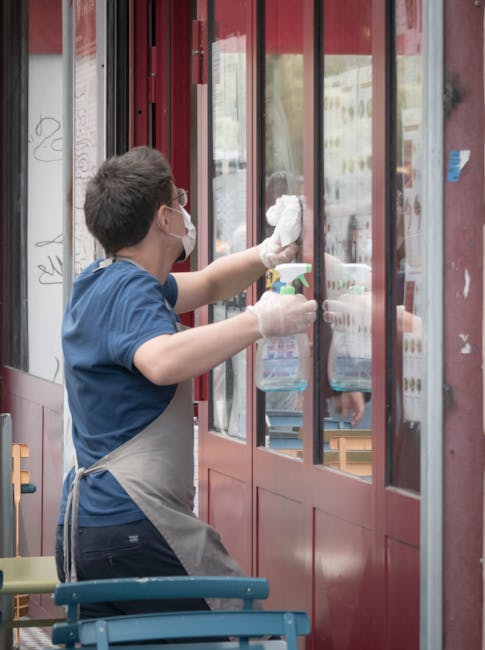
If you run a shop, studio, surgery, showroom, or small office in Pimlico, cleaning is never just "tidying up". It affects first impressions, staff morale, hygiene, safety, and even how smoothly the day runs. The right commercial cleaning packages for Pimlico shops and offices should feel less like a generic checklist and more like a practical support system that fits your opening hours, floor type, footfall, and budget. That is the real point.
In a busy London setting, one-off chaos clean-ups and vague service promises usually fade fast. What you need is a package that is clear, adaptable, and easy to manage. In this guide, we'll break down how commercial cleaning packages work, what to include, how to compare options, where businesses often go wrong, and how to choose a setup that actually makes life easier. No fluff. Just the useful stuff.
- Why it matters
- How it works
- Key benefits and practical advantages
- Who it is for and when it makes sense
- Step-by-step guidance
- Expert tips for better results
- Common mistakes to avoid
- Tools, resources and recommendations
- Law, compliance, standards and best practice
- Options and comparison table
- Case study or real-world example
- Practical checklist
- Conclusion
- Frequently asked questions
Why Commercial cleaning packages for Pimlico shops and offices Matters
Pimlico has its own rhythm. You get mixed-use streets, busy walk-ins, compact premises, older buildings with awkward corners, and the sort of foot traffic that can make floors look tired very quickly. If your premises are customer-facing, the details matter: fingerprints on glass, dust on shelving, crumbs under counters, or muddy marks near the entrance can all create a quiet sense that the place is not being looked after. People notice. They always do, even if they never say it out loud.
For offices, the stakes are a bit different but just as real. A clean workplace can help protect equipment, reduce complaints, keep shared spaces more pleasant, and stop small cleaning problems turning into bigger maintenance issues. In our experience, businesses usually do not need "more cleaning" so much as the right cleaning at the right frequency. That is where packages become useful.
A strong package also helps with planning. You can line up regular cleaning alongside deeper periodic tasks, rather than reacting when a carpet is already dark at the entrance or the kitchen has become a bit grim. Let's face it, waiting until everything looks bad is usually the expensive route.
If you are still working out what commercial support should cover, a good place to start is the main commercial cleaning service and then shape the package around your building, your hours, and the way your team actually uses the space.
How Commercial cleaning packages for Pimlico shops and offices Works
At a practical level, a commercial cleaning package is a structured agreement that bundles together regular tasks, occasional deep-clean items, and any specialist services your premises need. Instead of booking separate cleanings every time something gets messy, you agree on a repeatable plan. That might be daily, several times a week, weekly, fortnightly, or a mix.
Most packages are built from a few moving parts:
- Site size and layout: small retail units, split-level offices, reception areas, back-of-house rooms, or shared facilities.
- Occupancy and footfall: how many people move through the space and how quickly dirt builds up.
- Surface types: hard floors, carpets, glass, upholstery, washrooms, and high-touch touchpoints.
- Trading pattern: early openings, late closures, lunch rushes, or quieter weekday office use.
- Risk areas: kitchens, toilets, entrances, stock rooms, and customer waiting areas.
A well-built package usually starts with the basics: dusting, vacuuming, mopping, washroom cleaning, bin emptying, touchpoint wiping, and spot checks in shared areas. From there, you can add more specialised work such as office cleaning, commercial carpet cleaning, window cleaning, or hard floor cleaning if the building needs it.
For some premises, a regular schedule is enough. For others, the right answer is a blended approach: weekly maintenance with an occasional deep cleaning visit. That mix works especially well where customer presentation matters and the space gets visibly tired in a hurry.
It is worth saying this plainly: not every commercial package should look identical. A boutique on a Pimlico street and a six-desk office behind a townhouse conversion have very different needs, even if they are only a few doors apart.
Key Benefits and Practical Advantages
The biggest benefit is consistency. You know what gets done, when it gets done, and who is responsible. That sounds simple, but many businesses only realise the value when they have lived with inconsistency for a while.
Here are the practical advantages that matter most:
- Better first impressions: clean entrances, tidy floors, and clear glass help customers feel comfortable.
- Less disruption: scheduled cleaning reduces last-minute panic and awkward interruptions during trading hours.
- Improved hygiene: useful in offices, stock areas, kitchens, washrooms, and shared spaces.
- Longer surface life: regular care can help carpets, flooring, upholstery, and fixtures stay in better condition for longer.
- Clearer budgeting: packaged services are easier to plan for than ad hoc bookings.
- More accountability: a defined scope makes it easier to review service quality.
There is also a human side to it. Staff work better in a place that feels orderly. Customers browse longer in a shop that does not smell stale or look neglected. Nobody walks in and says, "Ah yes, this is a nicely vacuumed entrance." But they do feel it.
When the package includes the right extras, the benefits stack up. A shop with heavy entrance traffic may need more frequent carpet attention. A professional office may benefit from scheduled regular cleaning plus occasional targeted stain treatment. If fabric seating is part of the space, upholstery cleaning can make waiting areas feel much fresher.
Who This Is For and When It Makes Sense
Commercial cleaning packages suit a surprisingly wide range of Pimlico businesses. Some need them for presentation, others for hygiene, and some simply because the building is too busy to stay tidy without structure.
They make sense for:
- Retail shops with customer footfall and display areas
- Offices with shared desks, meeting rooms, or tea points
- Medical or wellness premises where cleanliness reassurance matters
- Showrooms and client-facing studios
- Small professional firms in converted buildings
- Premises with carpets, hard floors, glass fronts, or washrooms that need routine attention
They are especially useful when cleaning needs change through the week. A shop might need more front-of-house attention on Fridays and Saturdays. An office might need bin emptying and kitchen care on weekdays, with heavier work monthly. A good package follows reality, not theory.
For businesses with regular incoming dirt, rainwater, or salt from the street, entrance maintenance can become a real issue during wetter months. That is the sort of thing you notice around 8:30 in the morning when the floor already looks like it has had a long day. A package that includes floor care and entrance spot cleaning helps stop that build-up.
If your premises have recently been refurbished or fitted out, it may also be worth considering a one-off reset before routine work begins. In those cases, after builders cleaning can clear away dust, paint specks, and construction residue before the main schedule takes over.
Step-by-Step Guidance
If you are putting together a package for the first time, keep it practical. There is no prize for overcomplicating it.
- Walk the premises properly. Look at entrances, toilets, kitchens, reception, stock areas, customer seating, and any awkward corners. A ten-minute walk-through often reveals more than a spreadsheet.
- Identify the high-impact tasks. These are the jobs that directly affect appearance, hygiene, and safety. For most sites, that means floors, touchpoints, bins, and washrooms.
- Separate routine work from periodic work. Routine work keeps things stable. Periodic work restores areas that slowly lose freshness, such as carpets, windows, and upholstery.
- Decide the frequency. Some tasks need daily attention, others weekly or monthly. The goal is not maximum frequency; it is sensible frequency.
- Set expectations in writing. Be specific about what is included, what is excluded, access times, alarm procedures, and any special product requirements.
- Build in review points. A package should not be frozen forever. Footfall changes, seasons change, staff patterns change. Review it.
A simple example: a Pimlico office with eight staff, a small kitchen, one washroom, and a carpeted meeting room might start with weekly office cleaning, regular washroom upkeep, and monthly carpet treatment. A ground-floor shop with public access, glass front, and hard flooring may need more frequent entrance and floor attention, plus periodic window cleaning.
If you are unsure how to price or structure the work, use the provider's pricing and quotes page to start the conversation. The best packages are usually the ones built from a proper walkthrough rather than a vague request by email at 4:58 pm. Happens all the time, of course.
Expert Tips for Better Results
Here are a few practical tips that make a real difference.
- Prioritise entrances. If the front door area looks good, the whole premises often feels better immediately.
- Match the product to the surface. Hard floors, carpet, and fabric all behave differently. Using the wrong method can cause dullness or residue.
- Protect the busiest zones. Think thresholds, reception desks, counter fronts, and kitchen paths.
- Use seasonal planning. Wet weather, winter grit, and summer dust all change what needs attention.
- Ask for task detail, not vague promises. "General clean" is not enough on its own.
- Keep communication simple. One named contact and one short feedback route is often enough.
Another quiet win: keep a short internal note of recurring issues. If the same corner keeps collecting dust, or the same doorway gets scuffed every week, that is a clue, not a nuisance. It tells you where the package should be adjusted.
For businesses with fabric seating or display furniture, combining routine care with targeted sofa cleaning or stain removal can prevent the "slightly worn" look from creeping in. Small thing, big effect.
Common Mistakes to Avoid
Most cleaning problems in commercial settings do not come from one huge failure. They come from a pile-up of little ones.
- Choosing purely on price: the cheapest package can be poor value if it misses critical tasks.
- Not defining the scope: if nobody agrees what "clean" means, nobody can really measure it.
- Ignoring low-visibility areas: behind counters, under desks, and around storage spaces matter too.
- Skipping periodic deep cleaning: routine maintenance alone cannot always restore heavily used surfaces.
- Overlooking access and security: keys, alarm codes, and entry times need to be handled properly.
- Forgetting specialist surfaces: windows, hard floors, and carpets often need dedicated care, not just generic wiping.
One common trap is assuming that a "package" automatically means a good fit. It doesn't. It only works when the tasks match the building. Otherwise you end up paying for things you rarely need and still missing the bits that matter most.
Another one: people sometimes forget that the cleaner is working around the business, not inside a vacuum-sealed bubble. If stock deliveries, client meetings, or late opening hours change, the schedule should change too. Fair enough, really.
Tools, Resources and Recommendations
The best commercial packages usually rely on a sensible mix of routine methods and specialist treatments. You do not need flashy kit. You need the right kit, used properly.
Useful service components can include:
- carpet cleaning for entrances, corridors, and offices with soft flooring
- steam carpet cleaning where a deeper fibre refresh is needed
- window cleaning for customer-facing glass and office glazing
- hard floor cleaning for tiles, vinyl, wood-effect floors, and similar finishes
- commercial carpet cleaning for heavier-use business environments
- office cleaning for desks, meeting areas, kitchens, and washrooms
From a management point of view, the most useful "resource" is a clear scope document. It should say what happens daily, weekly, and monthly. It should also note any things that are out of scope, such as high-level facade work, specialist restoration, or post-refurbishment clearance.
If sustainability matters to your business, you may also want to ask about waste handling and product choices. The company's recycling and sustainability page is a sensible place to understand how environmental priorities are approached. That can matter to customers, staff, and landlords alike.
Law, Compliance, Standards, or Best Practice
Commercial cleaning in the UK touches on health and safety, insurance, access control, waste handling, and general duty of care. The exact requirements depend on the premises and the work being done, so it is wise not to overstate any one rule. What matters is choosing a provider that takes risk seriously and documents its approach properly.
At minimum, look for clear communication around:
- Health and safety: safe working methods, suitable products, and sensible risk awareness.
- Insurance and safety: confirmation that cover is in place and the team understands practical site risks.
- Security and access: how keys, codes, and site entry are managed.
- Complaints handling: a straightforward way to flag issues and resolve them.
- Terms and conditions: what is included, notice periods, and service boundaries.
It is also sensible to ask how the business trains staff, handles equipment, and selects cleaning methods for delicate or high-traffic surfaces. If you are comparing providers, a good starting point is their health and safety policy, insurance and safety information, and terms and conditions. Those pages tell you quite a lot about how seriously they treat the work.
Best practice is simple: don't rely on assumptions. Ask how often tasks will happen, what products are used, what happens if something is missed, and how access and confidentiality are handled. That might sound a bit formal. It saves headaches later.
Options, Methods, or Comparison Table
There is no single "best" package type. The right choice depends on the size and use of the premises. Here is a simple comparison to help narrow it down.
| Package type | Best for | Strengths | Watch-outs |
|---|---|---|---|
| Routine maintenance package | Small offices, compact shops, predictable footfall | Keeps the space presentable and manageable | May not be enough on its own for heavily used surfaces |
| Blended package | Most Pimlico shops and offices | Combines regular cleaning with periodic deep cleans | Needs clear scheduling so tasks do not overlap or get missed |
| Presentation-led package | Retail, showrooms, client-facing spaces | Focuses on what visitors notice first | Easy to forget back-of-house hygiene if the front looks fine |
| Surface-specific package | Premises with carpets, hard floors, glass fronts, or upholstery | Targets the materials that wear fastest | Needs accurate surface identification |
| One-off reset plus maintenance | Businesses starting fresh after works or a long gap | Creates a clean baseline before routine cleaning begins | One-off work alone won't maintain standards |
If you are still undecided, the blended package is usually the safest starting point. It gives you continuity without boxing you in. You can then scale frequency up or down once you see how quickly the premises actually gets dirty.
Case Study or Real-World Example
Here is a realistic example, based on the kind of setup we often see in Pimlico.
A small ground-floor office with a reception area, one meeting room, a kitchen nook, and a washroom was struggling with a familiar problem: the place looked fine on Monday, then a bit flat by Thursday. The carpet at the entrance picked up marks quickly, glass surfaces needed attention, and the kitchen area never quite felt fresh enough for visitors.
Instead of booking occasional emergency cleans, the business moved to a structured package. The plan included weekly regular cleaning, focused washroom and kitchen care, monthly carpet treatment for the entrance area, and periodic window cleaning. A simple record sheet showed what had been done and what needed a closer look next time.
The result was not dramatic in a flashy way. It was better than that. The space just stayed respectable. Staff stopped mentioning the carpet. Visitors came in, sat down, and got on with the meeting. That quiet normality is often the real success.
For a shop, the pattern is similar but the pressure points change. Think glass frontage, tills, customer touchpoints, fitting rooms, stock dust, and the patch of flooring right inside the entrance that always seems to gather the worst of the street. A good package leans into those details rather than trying to treat the whole shop as one uniform space.
Practical Checklist
Use this checklist before you agree any package. It keeps the conversation honest.
- Have you identified the highest-traffic areas?
- Do you know which tasks are daily, weekly, and monthly?
- Has the provider seen the site, or at least reviewed accurate details?
- Are carpets, floors, glass, and upholstery covered where needed?
- Is there a clear plan for washrooms and kitchen areas?
- Have access times, keys, alarms, and security procedures been discussed?
- Do you know what is excluded from the package?
- Is there a contact point for issues or changes?
- Have you checked the provider's safety, insurance, and terms information?
- Does the schedule fit your opening hours and staff routine?
If you can tick most of those off, you are in a much better place. If not, pause a little and tighten the brief. It's worth it.
Get a free quote today and see how much you can save.
Conclusion
The best commercial cleaning packages for Pimlico shops and offices are not the fanciest ones. They are the ones that fit the premises, the people, and the pace of the business. A well-structured package keeps the front of house presentable, supports hygiene in the background, and removes the stress of constant one-off decisions.
If you remember only one thing, make it this: build the package around how the space is actually used, not how you hope it behaves on a quiet day. That small shift makes all the difference. And once the cleaning starts working with your business instead of against it, the whole place feels easier to run.
That kind of calm is underrated, honestly.
Frequently Asked Questions
What should be included in commercial cleaning packages for Pimlico shops and offices?
Most packages should include floor care, touchpoint cleaning, bin emptying, washroom cleaning, dusting, and kitchen or tea-point upkeep. Depending on the premises, you may also need window cleaning, carpet care, and periodic deep cleaning.
How often should a shop or office in Pimlico be cleaned?
It depends on footfall and use. A small office may only need weekly cleaning, while a busy shop or client-facing space may need daily or several-times-weekly attention. The right answer is based on how quickly dirt builds up, not on a fixed rule.
Are commercial cleaning packages better than one-off cleans?
Usually yes, if you need consistent standards. One-off cleaning is useful for resets, move-ins, post-work clear-ups, or special situations. Packages are better for ongoing maintenance and predictable costs.
Can a package include both office and retail cleaning tasks?
Yes. Many Pimlico premises have mixed uses, so a package can combine front-of-house presentation work with back-office hygiene tasks. That flexibility is often the whole point.
Do I need deep cleaning as part of a commercial package?
Not every week, but often yes on a periodic basis. Deep cleaning helps restore areas that routine cleaning cannot fully refresh, such as carpets, upholstery, and neglected corners.
What should I ask before agreeing a cleaning package?
Ask what is included, what is excluded, how often tasks happen, how access is managed, what happens if something is missed, and whether the provider has clear safety and insurance information.
Is window cleaning usually part of commercial cleaning packages?
Sometimes, but not always. It depends on the package and the building. For shops and offices with prominent glass, it is often worth including or scheduling separately.
How do I know if the price is fair?
Compare the scope, not just the number. A cheaper package may exclude important work, while a slightly higher quote may cover more tasks and be better value overall. Always look at the full service detail.
Can a package be tailored for carpeted offices?
Absolutely. Carpets often benefit from a mix of regular vacuuming and occasional professional treatment. Services like commercial carpet cleaning or steam carpet cleaning can be slotted into the plan.
What if my shop has hard floors rather than carpet?
Then floor-specific care matters even more. Hard floors can look clean at a glance but still lose shine or become sticky in high-traffic zones. A package should include suitable hard floor cleaning methods.
Should I choose a daily or weekly cleaning package?
Choose based on usage. A customer-facing shop or busy shared office may need daily cleaning. A small office with lower traffic may do well with weekly or twice-weekly visits. It is about matching the routine to the real workload.
How do commercial cleaning packages help compliance and safety?
They support safer working conditions by keeping floors, washrooms, and shared spaces in better order. They also create a clearer framework for insurance, access, and general site management when paired with proper policies and communication.